Ove Locksmith NJ Service Team
Local locksmith team
May 11, 2026 11 min read
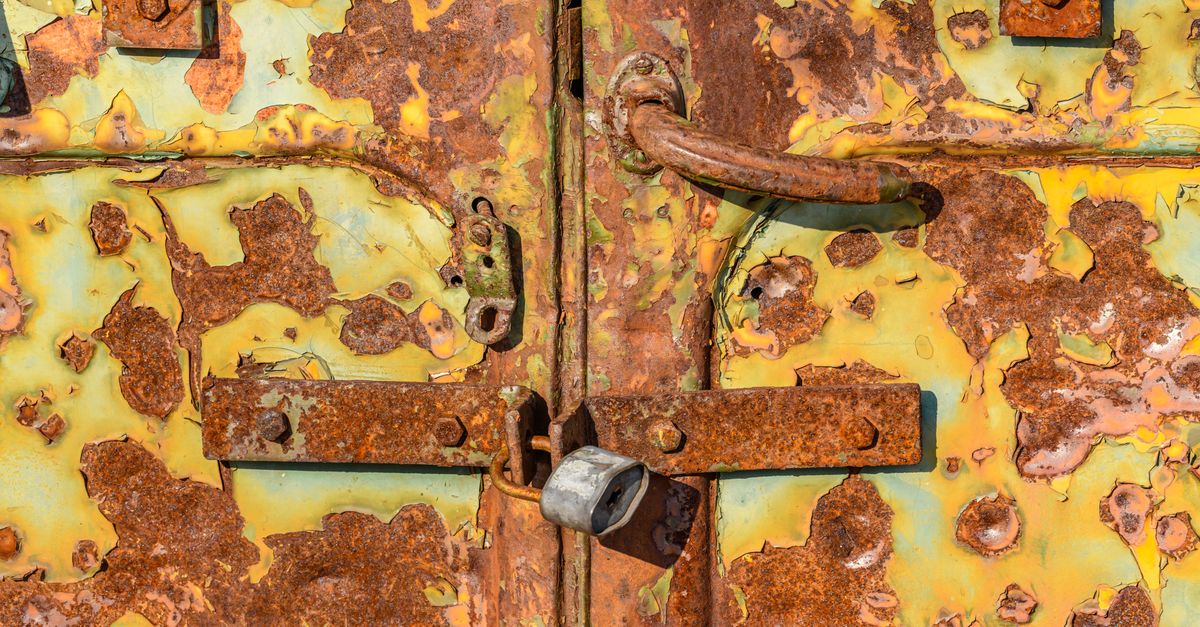
If you live near Barnegat Bay, Long Beach Island, or anywhere along the Ocean County coastline, your door locks are fighting a battle you may not even notice — until the key sticks, the deadbolt drags, or the knob refuses to turn on a cold January morning. Salt air is relentless. It works its way into every gap in your hardware, coating internal springs and tumblers with a thin film of corrosion that quietly tightens its grip month after month. Most shore-town homeowners don't think about their locks until something goes wrong, and by then a simple maintenance fix has often turned into a full replacement.
Ove Locksmith NJ has been serving Ocean County communities from Toms River to Manahawkin since long before smart locks existed. We understand what the Jersey Shore environment does to door hardware — from the salt spray that rolls off the ocean on a blustery fall afternoon to the humidity that settles into beach bungalows all summer. This guide breaks down exactly how corrosion happens, which hardware holds up best at the shore, and what you can do right now to protect your home. Whether you have a classic door knob lock, a heavy-duty mortise lock, or a modern keypad, the advice here is practical, specific, and built for where you actually live.
## Why Salt Air Destroys Door Knob Locks and Deadbolts Faster Than You Think
The chemistry is straightforward: sodium chloride particles suspended in coastal air land on every exposed metal surface around your home. When moisture joins the party — and at the shore, it always does — an electrochemical reaction begins that converts iron and steel components into iron oxide, better known as rust. Brass and zinc alloy parts fare somewhat better, but even they develop a powdery white oxidation called dezincification that weakens the metal from the inside out. Inside a standard door knob lock, this process attacks the cylinder pins, the cam, the springs, and the latch bolt. Each component loses its tight tolerance, and the whole mechanism starts to feel gummy, stiff, or unpredictable.
Deadbolts suffer a different but equally damaging version of the same problem. The throw bolt itself — that solid bar that slides into the door frame — is often made of hardened steel, which is especially vulnerable to surface rust. Once the bolt corrodes even slightly, it no longer slides cleanly through the strike plate opening, and homeowners often blame the door frame for 'swelling' when the real culprit is oxidized hardware. On Long Beach Island, where homes sit within a few hundred yards of open Atlantic surf, we routinely inspect door knob locks and deadbolts on properties that are less than five years old and find corrosion significant enough to warrant replacement. The closer you are to the water, the faster this happens.
## Mortise Lock vs. Standard Deadbolt: Which Handles Shore Conditions Better?
A mortise lock is a self-contained unit that fits into a precisely cut pocket — or mortise — in the edge of your door. Unlike a cylindrical deadbolt that mounts to the door face and drives a bolt through a separate hole, the mortise lock integrates the latch, the deadbolt, and sometimes even a privacy function into a single heavy-duty cassette. That sealed construction matters enormously at the shore. Because the internal workings of a mortise lock sit inside the door body rather than exposed at the surface, salt-laden air has fewer entry points. The face plate is the primary exposure, and a quality mortise lock face plate is typically solid brass or stainless steel — both far more corrosion-resistant than the zinc alloy or chrome-plated finishes common on budget cylindrical hardware.
Our team installs and services mortise locks across Ocean County regularly, and clients who upgrade from a corroded cylindrical deadbolt to a quality mortise lock almost always report that the new hardware still operates smoothly years later with minimal maintenance. If you own a rental property on the barrier island, run a small commercial space in Seaside Heights, or simply want the most durable long-term option for a home you plan to keep, a mortise lock installation is worth the conversation. As a commercial locksmith serving the full Ocean County area, we handle everything from single-family cottage upgrades to multi-unit rental property re-keying — all with the same trained eye for what the shore environment demands.
## Corrosion-Resistant Hardware: What to Look for When You Change a Door Lock
When it is time to change a door lock at a coastal property, the finish and internal material choices matter far more than they do ten miles inland. Here is what to prioritize. First, look for a Grade 1 ANSI/BHMA rating — this is the commercial-grade standard, and it reflects both strength and the number of duty cycles the lock has been tested to withstand. Grade 1 hardware uses thicker, higher-quality internal components that are more resistant to corrosion-related wear. Second, choose a finish specifically rated for coastal exposure. Satin nickel and polished chrome look attractive but offer only moderate corrosion resistance. Marine-grade stainless steel, solid brass with a lacquer seal, or powder-coated aluminum are the finishes that genuinely hold up in a salt-air environment. Brands like Schlage offer specific product lines engineered for exterior exposure, and Kwikset's SmartKey series uses a rekeyable cylinder design that makes it straightforward to change the lock's key combination without replacing the entire unit — useful when you need to rotate keys between seasonal renters.
Third, pay attention to the strike plate and the screws. Most builders install a thin, stamped-steel strike plate secured with short screws. At the shore, that plate will rust visibly within a season or two. Replacing it with a solid brass or stainless steel reinforced strike plate — and using stainless steel screws — costs very little and adds both corrosion resistance and meaningful security. If you are not sure whether your existing hardware is worth upgrading or should simply be replaced, give us a call. We will walk you through the options in plain language and give you an exact price before any work begins. The final quote depends on the lock type, any parts needed, and your location in Ocean County — there are no surprises after the fact. You can reach us any time at (000) 000-0000.
## Maintenance Steps Every Shore Homeowner Should Do Twice a Year
Protecting your locks from salt air does not require special tools or professional training for the routine steps. Twice a year — ideally at the start of summer season and again just before you close up for winter — work through this short checklist. Clean every exterior lock and handle with a damp cloth to remove salt deposits, then dry thoroughly. Apply a dry graphite lubricant or a PTFE-based spray to the keyhole and all moving parts; avoid WD-40 as a long-term lubricant because it attracts dust and can gum up the cylinder over time. Inspect the face plate screws and tighten any that have worked loose from seasonal door expansion. Check that the deadbolt throw aligns cleanly with the strike plate — if you feel resistance, that is an early warning sign of either corrosion or frame movement worth addressing before it becomes a lockout situation.
For keypad-equipped doors, the maintenance routine has an extra step: check the keypad housing for moisture intrusion and clean the buttons with a dry brush. Many homeowners also ask us how to change the code on a keypad door lock at the start and end of rental season — a smart habit that limits key-code exposure. The exact process for how to change a door lock code varies by manufacturer, but most residential keypads follow a sequence of pressing the programming button, entering the current code, and entering the new one. Your lock's manual will have the specific steps, and if you have misplaced it, the manufacturer's website is the fastest resource. If you are unsure or the keypad is behaving strangely, we can diagnose and reconfigure keypad hardware on-site during any service visit.
## Emergency Locksmith Services and Rekeying for Ocean County Shore Properties
Even with good hardware and regular maintenance, emergencies happen. A lock that felt stiff all summer can seize completely on a cold October night. A key can break off inside a corroded cylinder. A tenant's lease ends and you realize you need to change who can access the property without buying all-new hardware. In every one of these scenarios, a trained emergency locksmith can resolve the situation faster and with less damage to your door than attempting to force entry yourself. We cover all of Ocean County — from the communities along Route 9 in Toms River to the beach blocks of Ship Bottom and Surf City on Long Beach Island — and we respond around the clock because lock failures do not keep business hours.
Rekeyeing is one of the most practical and cost-effective services we provide for shore-property owners. When you rekey a lock, a locksmith disassembles the cylinder and replaces the internal pins so that the old key no longer works and a new key operates the lock. The hardware itself stays in place. This is the right move when you have bought a previously owned home, changed property managers, or simply lost track of how many copies of a key are out there. The factors that shape the final price of a rekey service include the number of locks, the lock brand and cylinder type, and whether we are coming to you outside standard hours — and we always confirm the exact amount with you before we begin. Whether you are asking how much does a local locksmith charge or how much does a locksmith cost in Ocean County NJ, the honest answer is that it depends on those specific factors, and a reputable locksmith will always quote you clearly upfront. Call (000) 000-0000 any time — we answer 24 hours a day, 7 days a week.
Frequently asked questions
Is there a locksmith on Long Beach Island, NJ?+
Yes. Ove Locksmith NJ provides mobile locksmith service across Ocean County, including all of Long Beach Island from Loveladies to Beach Haven. Because we are a fully mobile operation, we come directly to your location — there is no need to transport a lock or travel to a shop. We are available 24 hours a day, including holidays and off-season weekends when many service providers are unavailable. Response times vary by location and call volume, but we will always give you an honest estimate when you call.
What locks can locksmiths not open?+
A skilled locksmith can open the vast majority of residential and commercial locks through legitimate, non-destructive methods — including high-security cylinders, mortise locks, and most smart locks. There are a small number of extremely high-security locks engineered specifically to resist both picking and bypass tools; opening these typically requires drilling, which destroys the cylinder but leaves the door and frame intact. Our team will always attempt the least invasive method first and explain the options before doing anything irreversible. Ownership verification is a standard part of every lockout service call.
How much does an emergency locksmith cost near me in Ocean County?+
The final cost of an emergency locksmith call depends on several factors: the type of lock involved (a standard door knob lock costs less to address than a high-security mortise lock), the time of day and day of week, your location within Ocean County, and whether replacement parts are needed. We do not quote a flat number before we understand your specific situation, but we always confirm an exact price with you before any work begins — no surprises on the invoice. Call us at (000) 000-0000 and we will gather the details and give you a clear, upfront quote.
How do I change the code on a keypad door lock if I have forgotten the current code?+
If you have forgotten the current access code, most keypad locks have a factory reset procedure that clears all user codes and returns the lock to its default state — usually triggered by holding a small reset button on the interior assembly for several seconds. From there, you can set a new master code following the manufacturer's instructions. If the reset procedure does not work, the battery contacts may be corroded (a common shore-home issue), or the keypad electronics may need professional diagnosis. Our technicians work with all major keypad and smart lock platforms and can restore full function during a single visit.